Why your browser wallet feels risky — and how to fix that without losing your mind
Okay, so check this out—I’ve been messing with browser wallets for years. Wow! They are unbelievably convenient. But every time I install a new extension my stomach does a little flip. Seriously? The convenience is intoxicating, though actually, wait—let me rephrase that: convenience often comes with trade-offs that aren’t obvious until you lose a small amount of cash and then it’s glaringly obvious. My instinct said “install, connect, go” and then something felt off about the approve screens that show up like pop-ups from a sketchy vendor. Hmm… this part bugs me.
Short story: I once approved a transaction thinking it was a harmless token swap. Whoa! It drained a wallet that had been funded for a week. On one hand it’s my fault—I clicked too fast—though actually there’s more to it: the UI didn’t make the risks clear and the extension’s permission model was confusing. Initially I thought all extensions were roughly the same, but then I started tracing how approvals work, how approvals persist across sessions, and how some extensions sandbox things better than others. The difference matters.
What goes wrong inside browser wallets (in plain terms)
Browser extensions sit between you and the web. They inject scripts, sign transactions, and hold secrets. Short version: if the extension is not built with robust separation of concerns, a compromised website or a malicious extension can trick it into signing things you didn’t intend. Really, it’s that simple and that scary. You get a prompt, it looks normal, and you click. Then later you wonder why your NFT collection is missing.
Here’s the tricky part—permissions are sticky. You grant an allowance and the dApp uses it until you revoke it, sometimes for months. My instinct said “just set it and forget it,” but that was naive. On the technical side, allowances are ERC-20 approvals and they don’t have an expiration. On the UX side, approval flows are designed to be minimal friction, which favors speed over safety. So, on one hand the ecosystem promotes liquidity and user convenience; on the other hand, that very convenience opens attack vectors that are easy for scammers to exploit.
Okay, so check this out—there’s also the problem of origin confusion. A malicious site can mimic another site’s UI. You might think you’re signing a transaction for OpenSea, but it’s actually a phishing page that has the same layout. Hmm… the brain sees familiar patterns and trusts them. That’s System 1 doing its job—fast, pattern-driven—but we need System 2 to slow us down and verify domain, contract addresses, and allowances. I’m biased, but slowing down for 10 seconds often saves me more than the time I’d gain by being impulsive.
Smart practices that actually help
Stop using the same browser profile for everything. Short step: create a dedicated profile for high-value wallets. Seriously? Yes. Keep the daily-use browsing separate from the wallet that holds big positions. Medium step: use hardware wallets for large sums and only use browser extensions for small, active positions. Longer thought: hardware wallets reduce the attack surface considerably because they require physical confirmation, and even if the browser is compromised the private key stays offline—until you plug in and sign, that is.
Inspect approvals like a hawk. When a dApp asks to “approve unlimited,” say no unless you absolutely trust it. Ask for specific limits. Initially I thought “unlimited saves gas” but then realized the downside is catastrophic if the counterparty is malicious. Actually, wait—”saves gas” is only true in narrow scenarios where you interact frequently with the same contract, and there are safer patterns like setting a reasonable allowance and re-approving as needed.
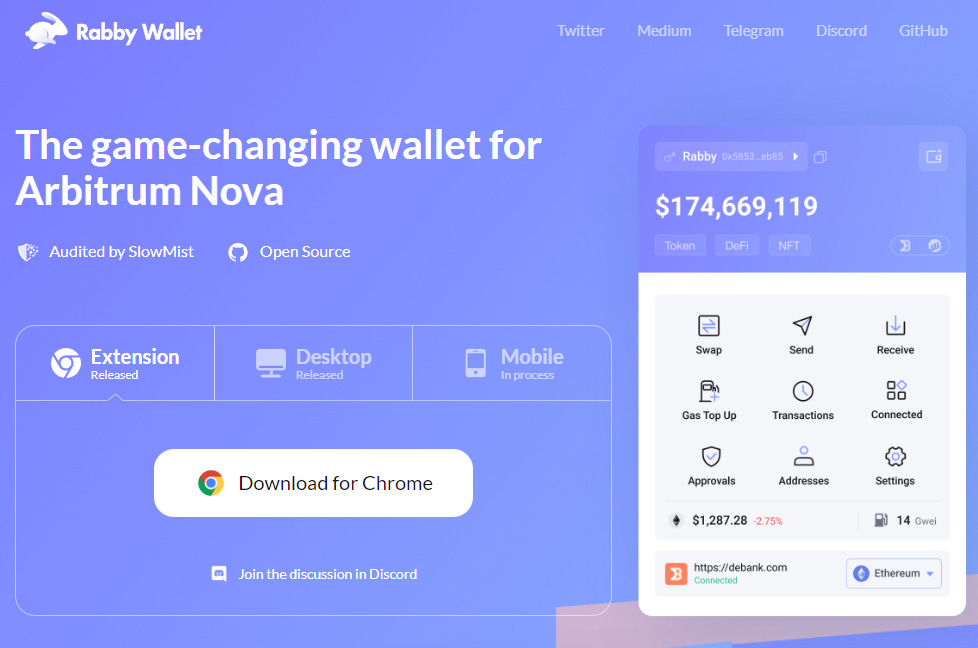
Use a wallet extension that prioritizes safety patterns. For example, the rabby wallet approach tends to surface clearer permission screens and offers better token interaction previews, which is huge when you’re trying to make an informed choice. I’m not shilling blindly—I’ve used a few and this one stuck because it nudges me to think twice before signing. (oh, and by the way… read the release notes; small changes often matter.)
Another useful trick: transaction simulation. If a wallet shows you exactly what a signed transaction will do — like calling a transferFrom on a token contract with a specific amount — that’s gold. It reduces ambiguity. But many wallets gloss over the complexity and present a one-line summary, which is where things break down. I’m not 100% sure every user will dig into the EVM data, but even a plain-language summary helps.
What to do if something already went wrong
First, don’t panic. Short breathing—then act. Freeze funds where possible. Revoke approvals with a reputable revoke tool or directly on a block explorer interface. If the attacker has a head start, you might not be able to recover funds, but you can limit future damage by revoking access and moving remaining funds to a safer wallet. My experience taught me that recovery is rarely perfect. Sometimes it’s a partial win—money is gone, lessons remain.
Document everything. Reach out to the dApp’s support and post on relevant forums quickly. Sometimes communities and platforms can detect abnormal behavior and help freeze assets or flag contracts. Hmm… there’s no guarantee, but speed increases the chance of mitigation. Also, if you had any custodial interactions (like tweets proving you were scammed), keep those copies handy for investigation.
FAQ
How do I choose a secure browser wallet?
Look for these hallmarks: clear UX for approvals, transaction simulation, separation of network permissions, regular audits, and an active security response team. I’m biased toward wallets that force you to confirm contract-level details instead of hiding them behind friendly labels. Also, prefer wallets that integrate with hardware devices when available.
Are browser extensions safe at all?
Yes, with caveats. They can be safe if you treat them like a tool—not an all-purpose safe. Use them for day-to-day, low-risk trades. Keep the big stores in cold or hardware wallets. Remember: a compromised extension or a malicious site can put any extension at risk, so layer defenses—segregate accounts, use 2FA where possible, and double-check approval parameters.
What immediate steps should I take after installing a new wallet?
Seed phrase: write it down offline; never store it digitally. Test with tiny amounts. Review default settings—especially anything that permits unlimited allowances. Connect to trustworthy dApps first and observe how the wallet presents transaction details. If it hides low-level info, that’s a red flag. And yeah, check for typos in the extension’s name—there are scam clones out there that are one-letter off.