Why Your Browser Wallet Matters: Real DeFi Security for the Multi‑Chain Era
Whoa! Sorry to start so abruptly, but that feeling you get when a transaction popup shows a gas fee you didn’t expect — yeah, that’s the smell of something off. My instinct—honest gut reaction—was always to click away, but I didn’t. I once approved a contract that turned out to be a harmless UI glitch. Oof. That little mistake taught me a ton about how browser-extension wallets behave when things go sideways.
Here’s the thing. Browser extension wallets are everywhere now. They’re fast, convenient, and they let you interact with dozens of chains from a single browser. But with convenience comes more attack surface. Extensions run in your browser context; they ask for permissions; they show popups that look normal but can hide risky approvals. In short: convenience amplifies both the magic and the danger.
What actually threatens you (and why it matters)
Phishing is still king. Seriously? Yes. Fake dapps, cloned sites, and social-engineered links are how most wallets get ransacked. But there’s more: malicious or compromised browser extensions, overly broad contract allowances (that “infinite approve” checkbox), and cross-chain bridge exploits. On one hand, multi‑chain support feels liberating. On the other, more chains means more vectors to monitor. Initially I thought a single password would cover it all, but then realized wallets and approvals are a whole different beast—they’re persistent authorizations against your assets.
Let me break it down more practically: when you approve a contract, you’re often granting permission to move tokens on your behalf. Some approvals are limited, some are not. A single careless click can let a malicious contract drain an NFT collection or a token balance. So the risk isn’t just “someone guesses your seed”—it’s also “someone you gave permission to, whether by mistake or misunderstanding, abuses that permission.”
Browser-extension-specific risks
Extensions can be updated automatically. That convenience is a double-edged sword. An extension you trust today could receive an update tomorrow that introduces harmful code if the developer account is compromised. Also, browser APIs are powerful. If a malicious page can interact with an extension’s exposed interface, it can prompt the extension to sign messages or transactions.
Here are a few common pitfalls I see: users granting unlimited approvals to token spenders; adding custom RPCs without verifying them (which can serve malicious payloads); installing too many extensions that together create a noisy, hard-to-monitor environment. Small things add up. I’m biased, but I think treating your browser like a sandboxed mobile device helps—fewer extensions, distinct profiles for different activities, and a healthy suspicion of popups.
Practical hardening steps that actually work
Short list first. Quick wins you can adopt right now:
- Use a curated, well-reviewed wallet extension from an official source.
- Enable hardware-wallet integration for large balances and high-risk actions.
- Limit approvals—don’t use “infinite approve” unless you know exactly why.
- Keep browser and extensions updated, but audit update notes when possible.
- Use separate browser profiles: one for DeFi and one for everyday browsing.
Dig a little deeper: when a dapp asks to connect, check the contract address. Use block explorers and contract verifiers. My usual flow: connect read-only first, view the contract on an explorer, search for audits or community warnings, then do a small test transaction. If something smells weird, pause. Really. Pause. It sounds obvious, but panic leads to mistakes.
Multi-chain realities — what changes
Cross-chain operations introduce nuance. Different chains have different explorer ecosystems and tooling; a security signal on one chain might look normal on another. Bridges can hold or route assets, so your threat model needs to include bridge counterparty risk and smart-contract risk on both sides. On the upside, a good multi-chain wallet reduces friction—you don’t need dozens of wallets. On the downside, it centralizes your attack surface. Trade-offs, right?
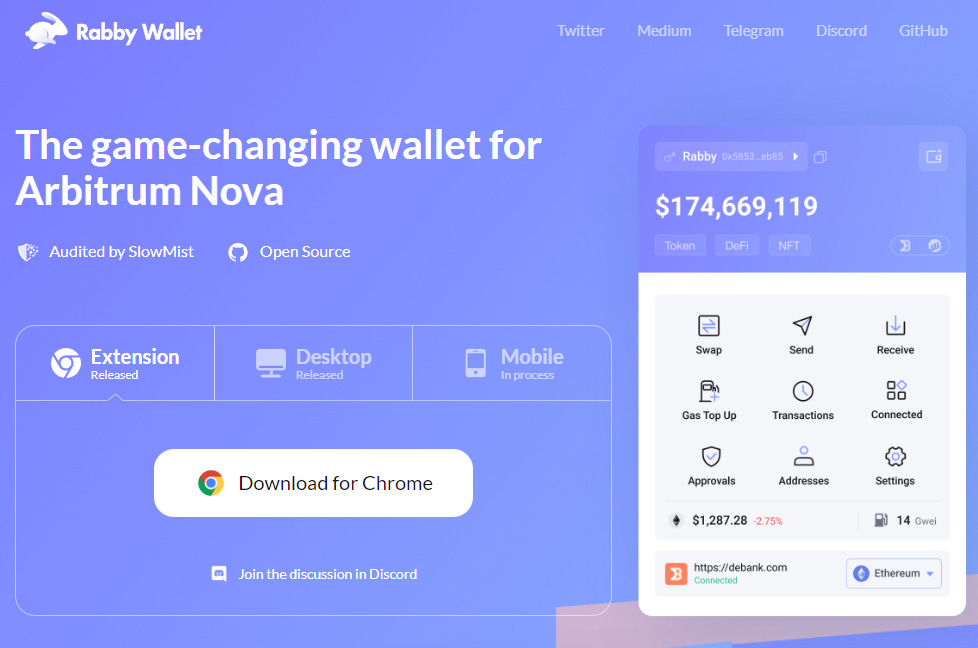
Ok, so check this out—wallets that incorporate transaction previews, clearer allowance management, and hardware support make a real difference. One extension I’ve used and felt comfortable recommending in the past for multi-chain workflows is rabby wallet. It gives clearer permission prompts and has good allowance controls which reduce accidental over-approvals. I’m not shilling; I’m pointing out tools that lower friction while improving safety.
Workflow: a pragmatic daily routine
Start with a small balance in your hot wallet. Keep most funds cold. I know, it’s basic, but it works. Then:
- Open your DeFi profile (separate browser profile) with minimal extensions installed.
- Connect read-only to any dapp first.
- Verify contract addresses and token metadata on an explorer.
- Use hardware wallet confirmation for high-value txs.
- Revoke old approvals monthly or after big moves.
On the topic of revocations: tools exist that let you revoke allowances. Use them. I admit revoking sometimes feels cumbersome, but it beats waking up to an empty wallet. Also: watch out for “gas-token” or surrogate fee tokens on certain chains—some dapps try to trick UI displays into hiding the real cost or sign complexity.
Developer practices that users should ask for
If you’re evaluating wallets or browser-extension teams, pressure them on permission transparency and auditability. Ask: does the wallet show granular, human-readable permission requests? Can I see which exact token contract I’m approving and what scope the approval has? Does the wallet support read-only connections and hardware confirmations? Teams that lean into these things usually think about safety before UX shortcuts.
One more honest aside: no wallet can guarantee perfect safety. Smart contracts are software; software has bugs. But good design choices reduce the frequency and severity of incidents. I value wallets that make risky actions harder, not just prettier. That part bugs me when teams focus too much on slick onboarding at the expense of meaningful guardrails.
Common questions folks ask
How do I check an extension is legitimate?
Check the publisher, verify the official website, read multiple reviews, and confirm the extension’s checksum (if provided) against official channels. Cross-check social channels and GitHub repos. If the extension is new or has few reputable mentions, wait.
Are hardware wallets always necessary?
For large balances and staking or bridging operations, yes—hardware wallets add a physical confirmation step that significantly reduces remote-exploit risk. For small, experimental amounts, a software wallet may be fine, but treat it like spending cash, not a savings account.
What about approval management—how often should I revoke?
Monthly checks are a good rhythm. Revoke approvals after one-off interactions and after finishing an airdrop claim or launchpad event. If an approval looks odd or points to a newly created contract, revoke immediately.